wa-a, wa-a, the end, good-bye

editor’s note: this blog post, our last from australia, is being published after our departure from down under. we sincerely apologize for the delay, which was due to unavoidable schedule conflicts and miscommunication between me and my long suffering and patient editor, kevin lynch. and thank you, kind readers, for enduring all the technical hassles that are endemic to luddite blogposting.

we’ll soon be off to our next post, belgrade, where pernille will pursue her diplomatic career and i will tag along for the ride. with a bit of luck, we’ll be in touch again once we get settled in serbia.

meanwhile, please indulge us and pretend this is june, 2024 and we’re still in oz as you read this.

and now, on to the post.

from waves to caves, an encore visit to the west coast

it’s sunset for us in oz. july 18th is “wheels up”, back to the unfamiliar shores of europe, the end of a fabulous four year tour. so for a grand finale, we hopped a plane to one of our fave spots, wa. wa, as in western australia, known by aussies simply as w-a. knowing aussies, i’m sure they’ve thought of ways of shortening the “w”, and maybe just call it “dub”; or for purists, maybe “dub-a”. they’ve already got a town called dubb-o. one can only imagine what dubbo must have been before the abbreviators got hold of it.

in strine, (aussie-speak), mates grab an eskie of coldies and hijack the telly for the footy match in tassie. hang with the tradies (working class) and you’ll meet chippies (carpenters) and sparkies (electricians) and firies (firefighters) and humpies (not sure what they are) and on and on in unintelligible gibberish. usually, someone mercifully breaks and does a translate for visitors. we have a friend, mark binskin by name, a retired royal air force general and former chief of the ausie defence forces, (i.e. a very distinguished fellow) who is known simply as “binnie”. call him binskin and you draw blank stares from aussies. say binnie and their faces light up. he’s a myte (mate for your non-aussies).

so with 30-odd days and counting, we’re off to w-a for an encore. it’s mid-winter (june) so there are only a few dozen surfers (what???) at the mouth of the margaret river heading down toward antarctica, a favorite of the surfing class. but no worries, as aussies say, there’s a warm current that heats the water up to a comfortable 70 degrees fahrenheit (21 celsius). heck, these old bones need 90 fahrenheit (32 celsius) before they uncreak. even my relatively youthful scandinavian spouse doesn’t appreciate 21 celsius. but this is w-a. w-a w-a w-a. the sound of a shivering me crying my eyes out at the mere suggestion of surfing (or even toe-dipping) in 20 degree celsius waves.

the vino along the w-a coast has a warming effect, however. maybe that’s what keeps those surfers afloat. or maybe it’s the price of the wine, which never goes down, no matter the weather. imbibe the juice of those grapes for long and you’ll have trouble keeping your head above water, both literally and figuratively. sometimes that’s blamed on the sharks.

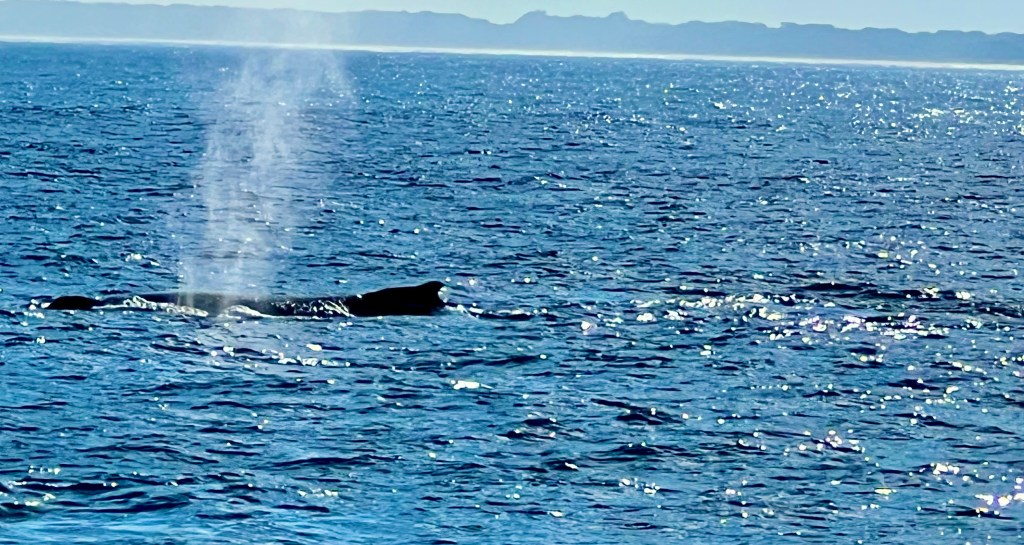
to keep well above water level, we opted for whale watching. about 80-thousand of these 30-ton sea mammals migrate north from antarctica to the milder waters of the north australian tropics for the winter in may-june, so we just had to go half a mile off shore, drop anchor, and wait for these playful fellows to perform their morning whale-o-batics. our guide said these humpback whales are like little kids; they can’t wait for an audience to show up so they can do their tricks, and they did. not as cute as jumping dolphins, but a LOT more intense. you wouldn’t want these monster acrobats flapping their whale-tales too close to your boat. but they understand that, and keep a respectful distance.

the vineyards are still booming in margaret river, oz’s finest wine region. regular readers will know we’re not winos, but we’ve found a cabernet sauvignon from the stormflower winery that knocked our socks off. looks as if socks are being knocked off all over the place . best not to wear socks in margaret river, it seems, lest they be knocked off. i could imagine heaps of socks littering the lanes around the caves road vineyard region
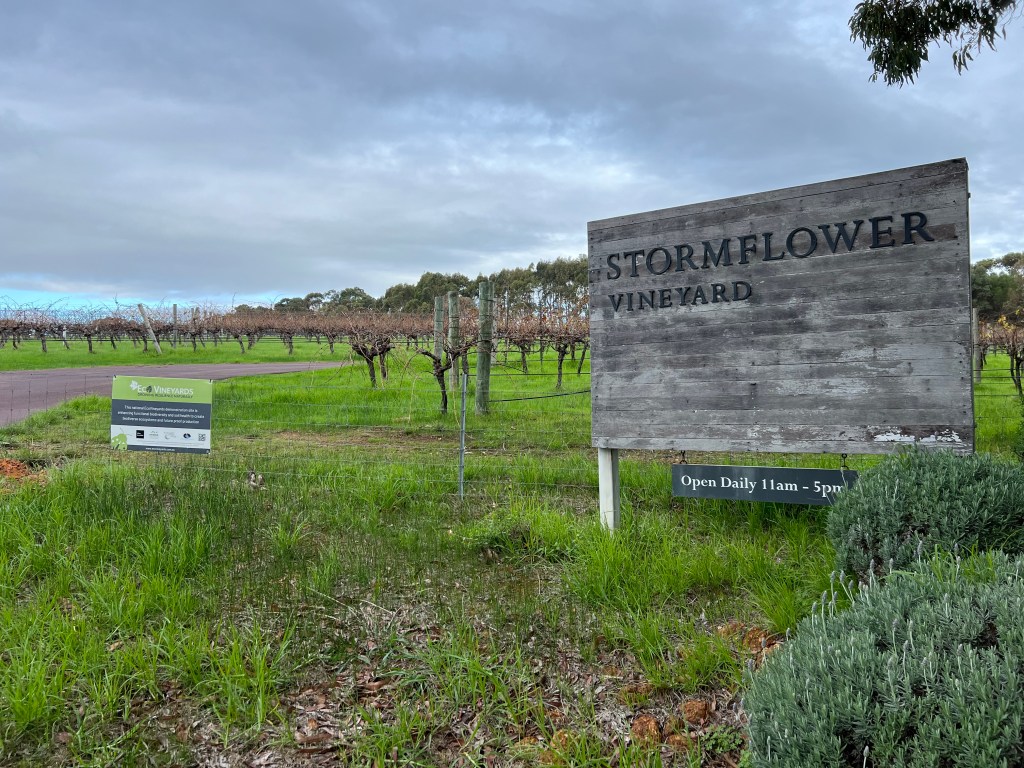
no socks!

.

speaking of caves, we’ve seen a few, but none more spectacular than the margaret river cape caves. i’ve been to carlsbad caverns in new mexico, which are massive (though it’s been many decades since the last time), but i don’t recall them being any more spectacular than the ones just off the side of caves road. our verdict: awesome. especially after a wine-tasting tour. (but don’t overdo it.)

vines in winter, sockless

we’ve been waiting three years to visit one of w-a’s most talked-about attractions, the horizontal falls off australia’s tropical northern coast. (they do). it’s winter, so high season for “horizontal falling””. but how does one photograph water falling sideways? truth is, it only falls a couple meters, at least while we were there. so it’s hard to photograph. but the force of the water gushing through a narrow passage from one pool of water to another has to be experience to believe. david attenborough visited the falls at one time, and through a mathematical calculation determined that a million liters of water passes through the falls every second. we defer to david’s superior knowledge.

our previous attempts to visit the falls were stymied, first by covid, then by the weather, but third time’s the charm, and we’ve booked an overnight stay on a deluxe houseboat just outside the falls. so we jump on a seaplane, yup, the kind that lands on skis, and ferry out to the houseboat, which is parked in a little inlet away from the falls (to avoid accidental slips and falls, we assume).
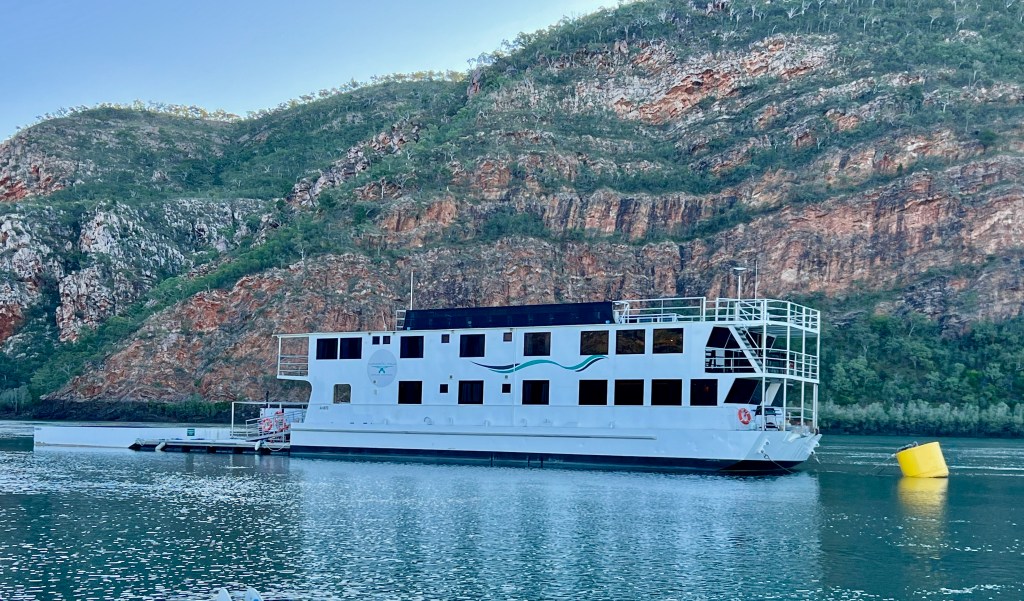
the houseboat is in shallow waters just off shore

the houseboat can be a bit disconcerting to first-timers. we got to our room and looked out the window to a big mountain facing us on the nearby shore. a little while later we looked out again and…no mountain. in its place was an inlet that looked as if it was the passage through which we had come on the ferry. the secret we learned is that the boat is anchored on an axis in relatively shallow water, so it’s constantly rotating, like the revolving restaurant atop the space needle. what you see at one point is gone next time you look. if you keep looking long enough, it will come back, but only after doing a full 360. don’t hold your breath.

so it’s “au revoir” from oz for us. it’s been an eventful four years. but as they say, all things must pass (like last night’s tacos). australia, in all seriousness, has been the experience of a lifetime, as close to heaven on earth as we ever could have imagined. thanks to the aussie people, whose warm hospitality has shone through in every moment of our stay, never wavering. as we head back north of the equator after four years here, we feel as if we’re leaving home.

australia, we’ll miss you. cheers, mates.

-30-

road trip – week three — a blowout ending

taking a telescope for a close-up look into australia’s dusty beating heart

a tinge of queasiness sets in as new south wales disappears in the land rover’s rear view mirror,. we’ve crossed the rubicon. queensland lies before us to the north, an unknown land where roads have been closed for days due to flooding. we have visions of fording raging streams engulfing washed out roads.

what we find is quite different; some standing water in low spots on the road, but it’s all in a day’s work for the land rover.

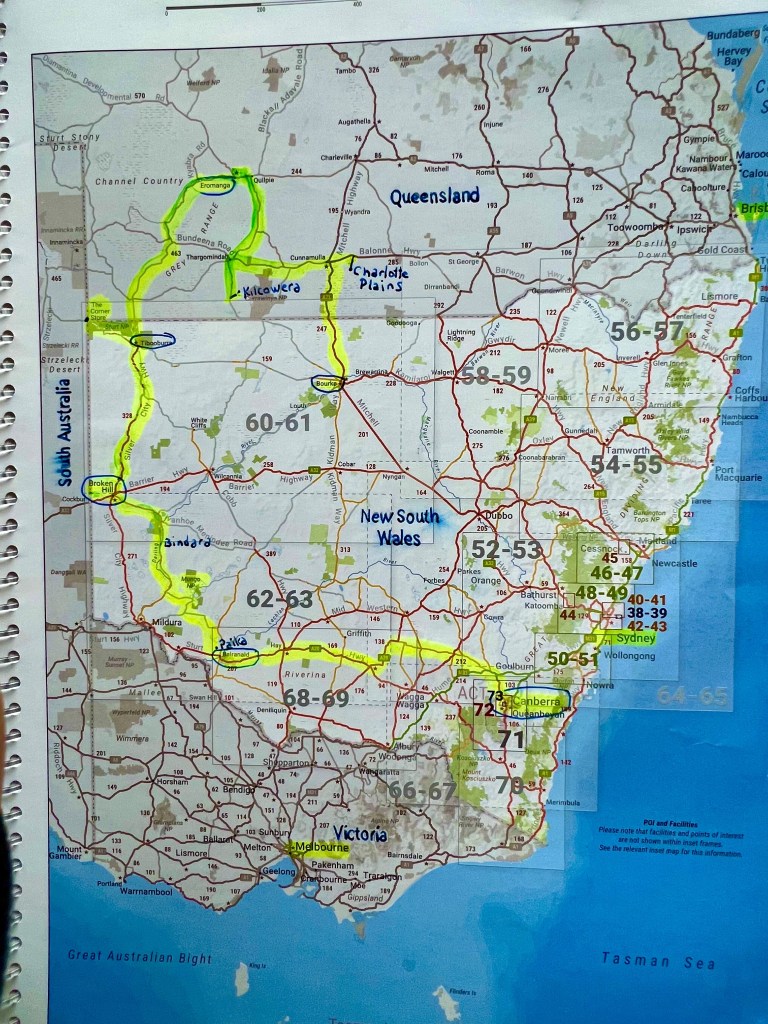
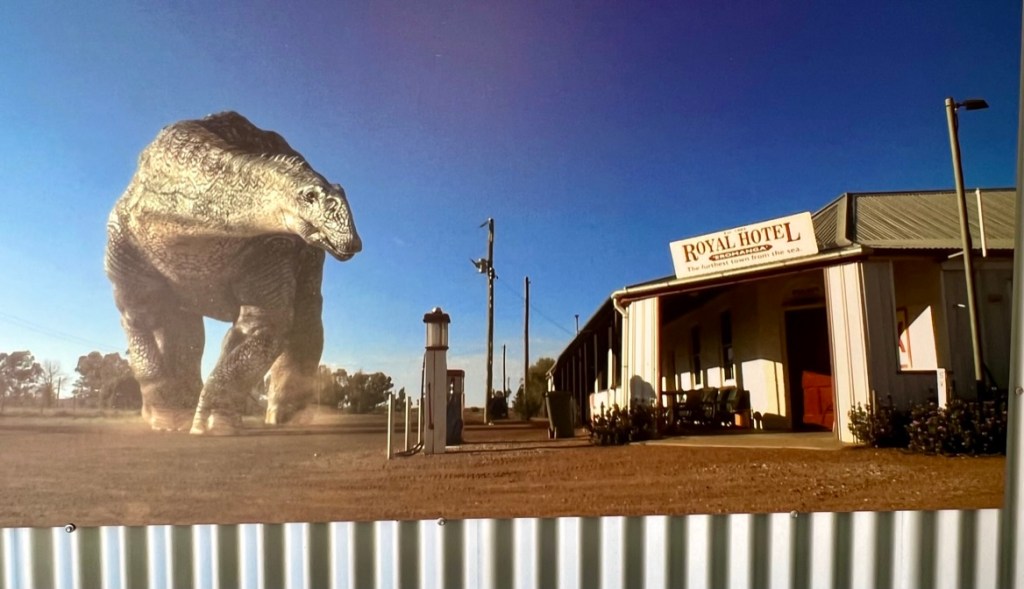
first stop in QLD (as it’s commonly written) is a one-night stand with a pre-historic monster in the village of eromanga. the “big guy” didn’t fit in our room, so he (or at least parts of him) stayed next door at the eromanga natural history museum, which was built to house him. eromanga, incidentally, is another “outback beds with friends” location, just slightly off the “beaten path” that might have brought in more tourist traffic.

does anyone remember sinclair gasoline?

the dino is friendly. not “sleeping with” material, however, if you know what i mean. big fella, he is. weighs several tons. hate to have him roll over on you in the middle of the night. so we slept in separate buildings. j-u-u-st in case.

dino’s still under construction but he’s going to be a big guy

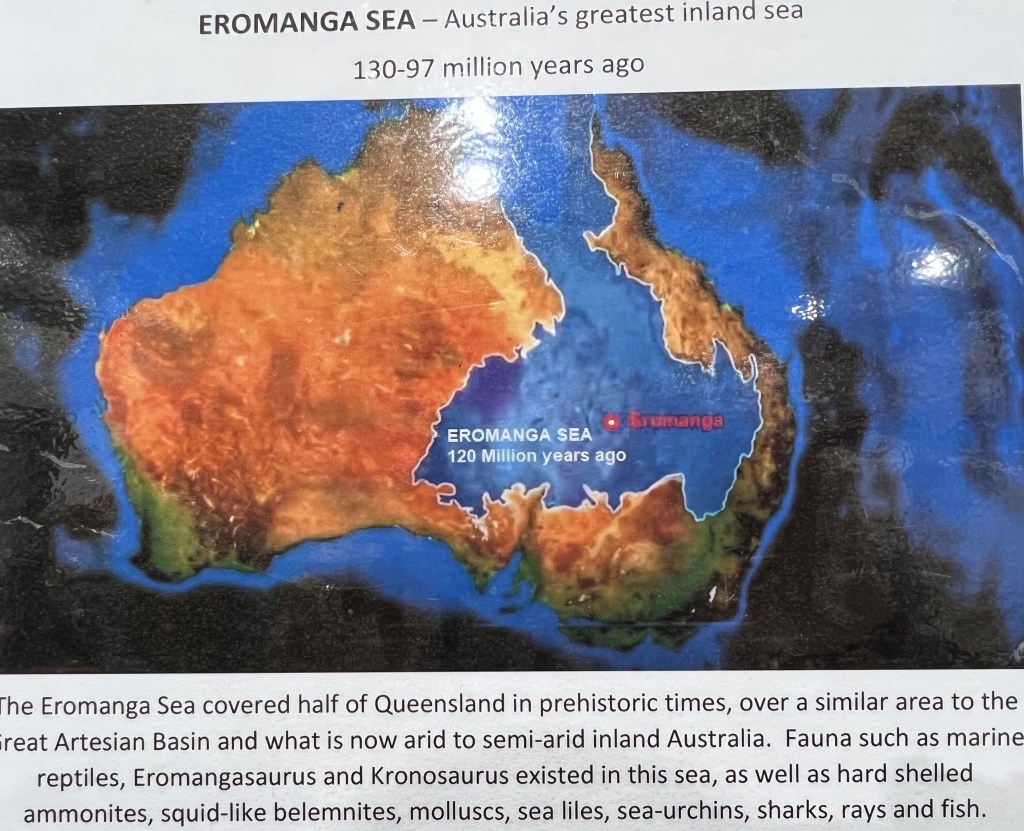
this dinosaur’s bones were first discovered in 2004 by a 14-year old boy, who picked up what he thought was a strange rock in a cattle paddock near eromanga. that boy is now in his 30s, and paleontologists are just beginning to unearth the remains of what was a significant dinosaur community about 100 million years ago in semi-arid inland australia. these dinos may have been the continent’s first inhabitants, long before johnny-come-lately aboriginal humans arrived a mere few tens of thousands of years ago.

we stopped for fuel on the way out of eromanga, noticing the signpost that declares it the farthest service station from the sea. fortunately, we’re not going to the coast; it’s 3539 km to perth on the west coast, and 2887 km to darwin in the north, though a mere 1433 km from sydney in the east.

from eromanga, the search for a quiet outback bird refuge takes a turn to the east and kilcowera, a farmstead so remote it doesn’t even show up on maps of old outback farms. kilcowera (pron: kill- COW -ra) is really nothing more than a house out on the queensland prairie where a couple live with their ten children, just like it used to be a hundred (or two hundred) years ago.

back in the day, kilcowera was a massive sheep shearing operation. today, the shearers’ quarters have been converted to a “farm stay”, which consists of eight basic but clean rooms that are rentable to anyone looking for the ultimate in peace and quiet. after two crazy weeks in swinging towns like broken hill and tibooburra, we REALLY want to get away from it all, so we’ve booked three nights at this waaay-back of the desert. two of those nights we have the place to ourselves. we didn’t see another soul. but birds there were aplenty.

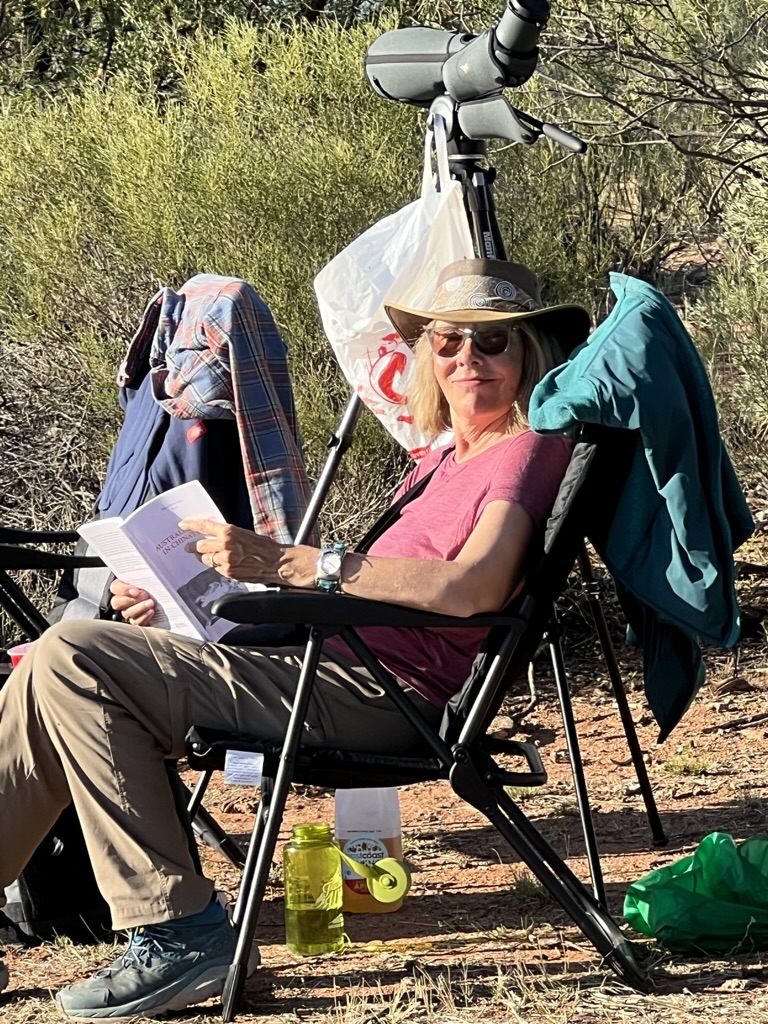
equipped for any birding opportunity

our last day at kilcowera, we parked in the middle of the road beside a lake and set up camp (two chairs) along the waterside. the temperature was a delightful 21 degrees celsius (70 fahrenheit) all day, so we blended into the surroundings as the birds of the lake went about their daily business. we camped for six hours, and logged several new species that pernille the birdwatcher had never before seen. the day’s haul prompted pernille to do a count of all the birds she’s seen in the nearly three years we’ve been down under. the total came to a startling 464. even she was surprised. onward toward her goal — 500!

kilcowera beach

from the depths of western queensland, we turned back toward civilization of a sort. charlotte plains is another birdwatchers’ destination, also known for its hot water baths. like everyplace else it seems, the plains features an old abandoned sheep shearing station with quarters for the hired help of yore.

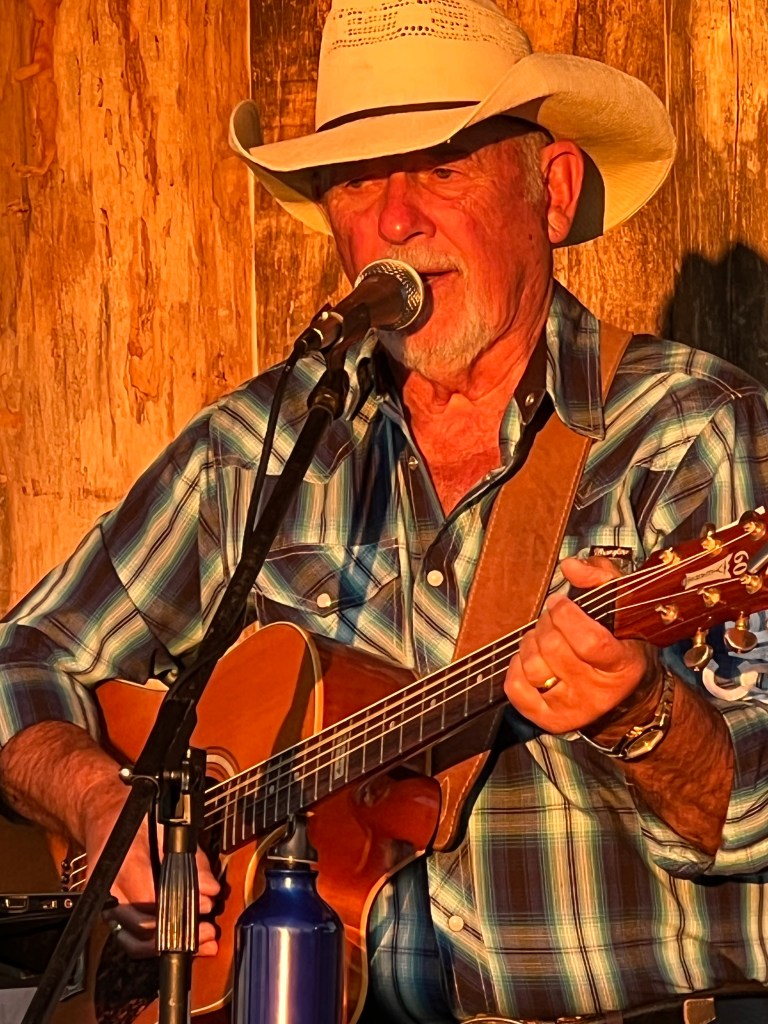
the hired help at charlotte plains includes an old cowboy with a guitar who sings a selection of old merle haggard, george jones and hank williams-era country tunes with a little help from some pre-recorded accompaniment, on an old one-person stage situated at the charlotte plains baths. he’s basically a busker who’s found a home where tourists gather in the desert to soak in the warm spring waters.

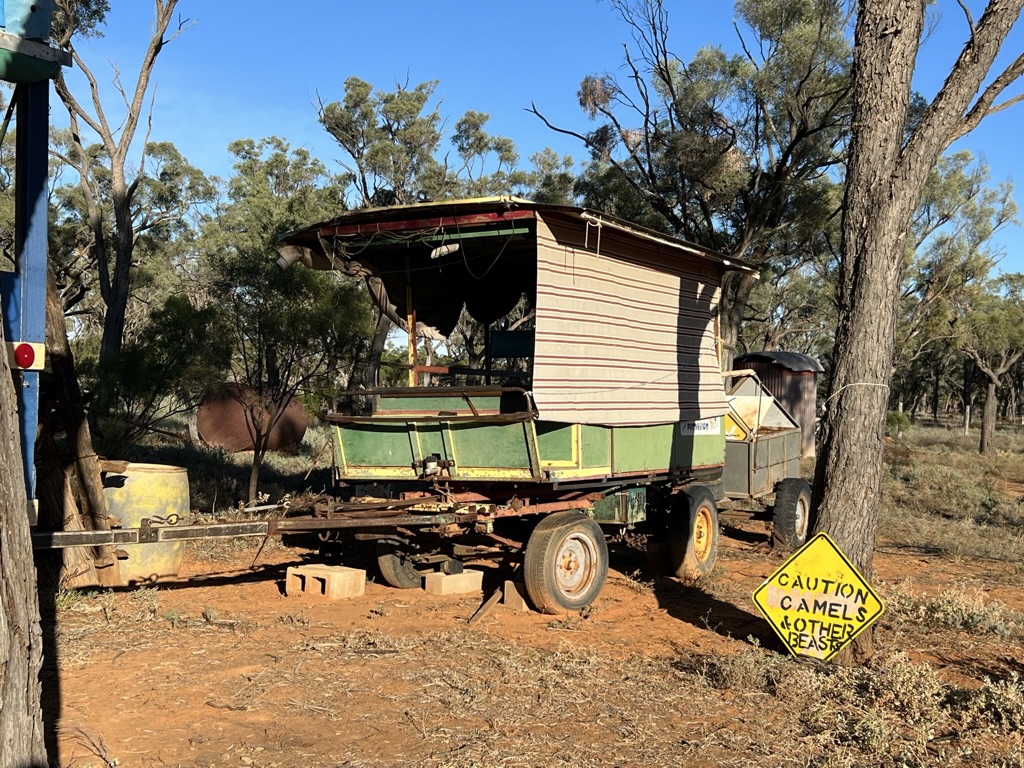
jack’s hut

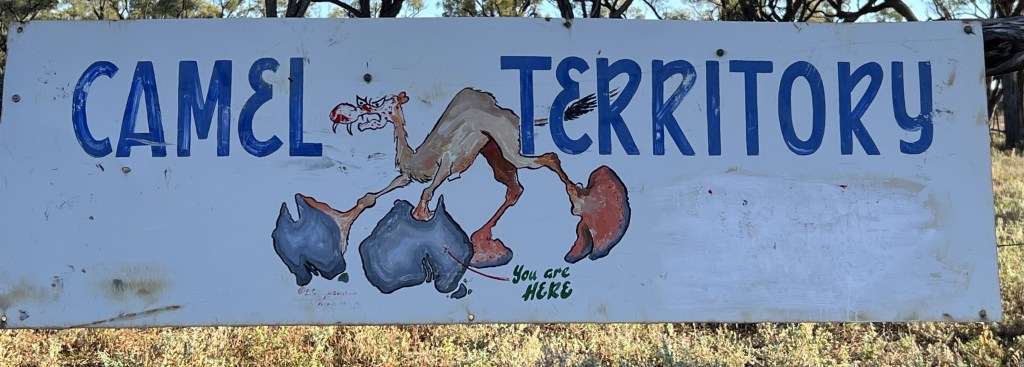
charlotte plains is also where you’ll find “jack’s hut”, an old camel drivers’ station that still maintains the aroma of camel dung, years after the last dromedary made its way to camel heaven.

it’s been more than a century since the days when cameleers carted wool from these outback stations to international markets, but jack’s hut tells another, sadder, chapter in the camel’s tale.

the mostly dark-skinned afghan and indian cameleers who came to australia to haul wool faced fierce opposition from the white australians who controlled the highly-unionized wool carrying trade. when wool exports declined, the cameleers found themselves out of work in a country that saw them as second-class citizens. with nowhere to go, many of them turned as a last resort to roaming the outback from town to town, offering rides to aussie children who saw camels as a novelty. but eventually, time took its toll on the cameleers and their “ships of the desert”. jack’s hut, an abandoned outpost in the barren landscape of western queensland, stands as silent witness to the inevitable final chapter in the tale of the australian camel.

from charlotte plains the road turns southward, back toward the new south wales border and home. our final (scheduled) stop is bourke, once a bustling commercial center on the darling river that billed itself as the busiest inland port in the world. henry lawson, the celebrated journalist and chronicler of late 19th century australian life wrote, “if you know bourke, you know australia”. but lawson has been dead for more than 100 years. today it’s theoretically possible to know australia well without ever having been to bourke.

display at the bourke museum

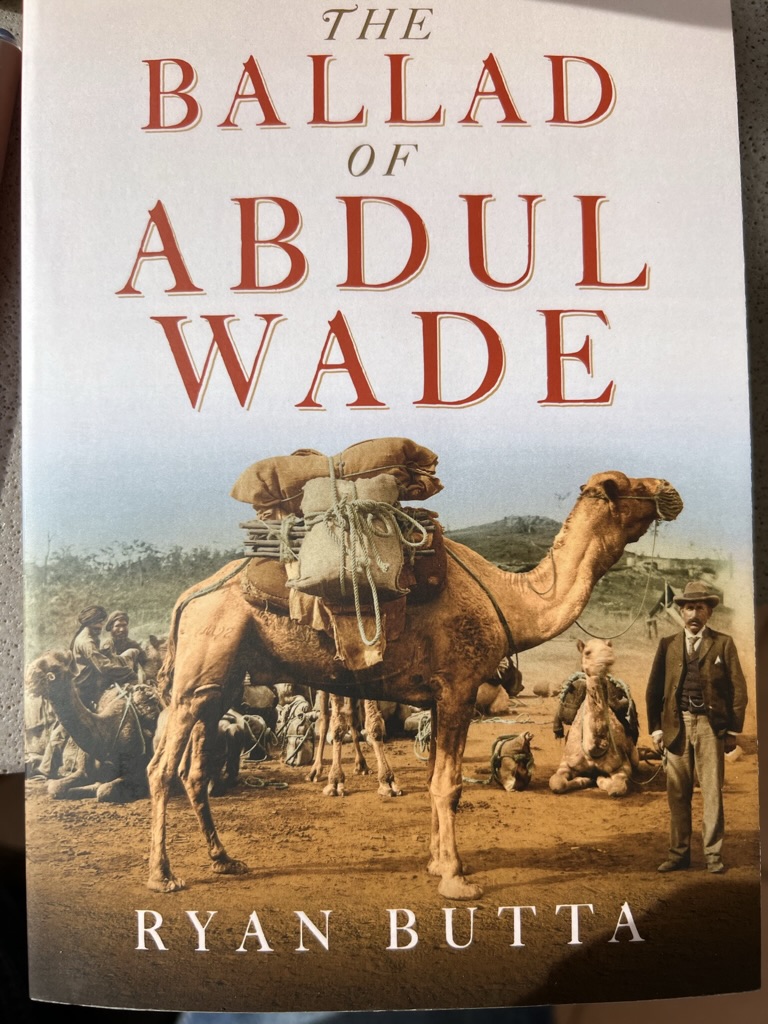
what we did find in bourke, however, at the local museum, was the evidence we’d been looking for about the outback cameleers, including some new books that shine fresh light on those hardy souls who shipped themselves and their animals from places like afghanistan and india to the wilds of oz in search of a better life on the queensland plains. they almost found it, but for a quirk of fate.

a “back o’bourke” museum display features a new book titled “the ballad of abdul wade” (pron: “waddy”). it’s the story of one asian entrepreneur who became a wealthy businessman in white australia by outperforming the teamsters union wool haulers with his camels, only to find himself excluded from the inner circle of aussies who saw the cameleers as a threat to their horse and oxen- driven wool wagons.

three weeks in the dusty red center of australia is enough for us city slickers, so it’s “on-on home” to canberra, when “bang”, an unscheduled stop announces itself.

the “big bang” was the last gasp of the right rear tire on the land rover as it blew out at 100km an hour. fortunately, conditions for a “blowout ending” were about as favorable as they could be. we were on a flat, paved road, it was mid-afternoon on a pleasant day, traffic was light, and we found a handy solid side road just a hundred meters from the site of the bang. trouble was, i hadn’t changed a tire in a decade, during which my hands have spent more time at a keyboard than in a garage. besides, it’s devilishly hard to change those massive land rover tires. each tire must weigh 50 pounds, and the spare is suspended by a heavy wire spring from the bottom of the chassis. it took the two of us, working together, the better part of an hour to solve the mystery of how to release the spare, remove the flat, (which was completely shot), and then reassemble the flat tire into the spare compartment.

27,420 km reads the odometer at the end of the journey. not a lot for a set of brand new radial tires. even in the outback. the tire dealers say 50,000 km is about the minimum to expect from top-quality radials. whatever.

triumphantly, we cruise back to yarralumla (our suburb) on a crutch (spare), doused in a schmear of outback dust as our red badge of courage. new tires? (four of them*) a small price to pay for the once-in-a-lifetime opportunity to savor the essence of oz. our wallet is lighter, but after a warm shower or two (maybe three or four), we’re back to presentable in polite urban society.

it’s winter in our comfortable old canberra neighborhood. people are out raking piles of golden leaves in their yards. construction workers (tradies) in high-viz coveralls are parking their “utes” (mostly pickup trucks) in front of gracious 1950s-era gabled homes that they’re busy deconstructing and replacing with modern flat-roofed mc mansions.

the arc of progress is encompassing the australian capital territory in ever-increasing opulence. the outback is a world away, someone else’s australia.

  • radials are purchased in twos. when we returned to canberra, another tire revealed a slow leak and had to be replaced, too. so four altogether, a big hit.

-30-